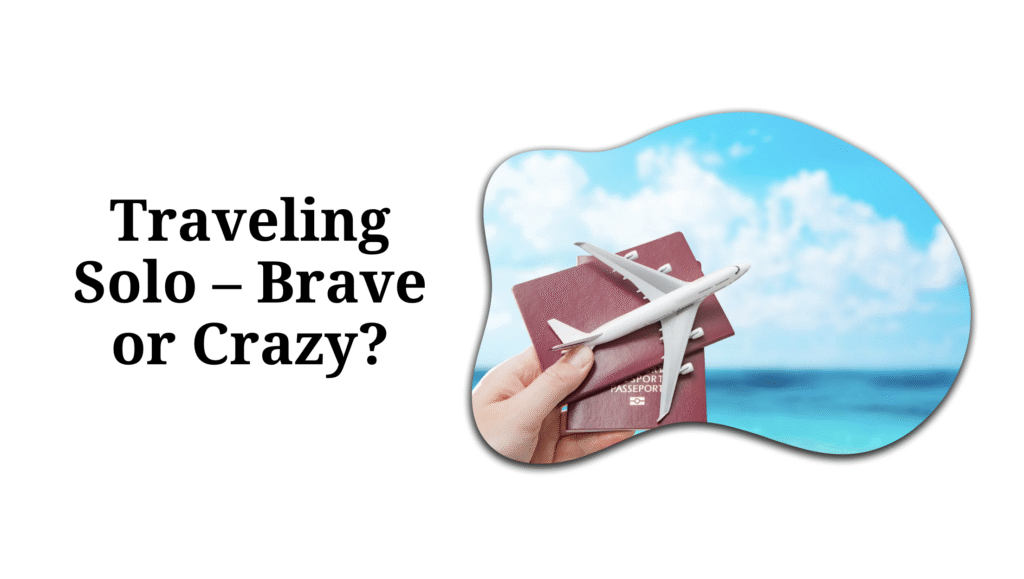
Real-World Context: Explore solo travel experiences, safety tips, and personal comfort zones while traveling alone.
Interactive Task: Evaluate five risky solo travel scenarios and decide which activities you would dare to do alone.
Reading & Reflection: Read Quora posts on solo travel, identify pros and cons, and reflect on personal experiences.
Vocabulary Focus: Master travel-related collocations (e.g., miss a flight, get lost).
Functional Language: Explore the natural phrases and sentence structures used for making polite requests while traveling (e.g., Could I have..., please?).
Fluency Building: Role-play realistic travel situations: asking for help in restaurants, hotels, streets, and interacting with fellow travelers.
Discussion & Debate: Share personal views on traveling alone, discuss safety strategies, and weigh advantages and disadvantages of solo travel.
Learn to use natural, everyday excuses (e.g. I’m not really up for it, I'm tied up, It’s a bit of a hassle to get there, I’m not feeling it, I got held up at work) through interactive visuals, real-life role plays, and quick-fire tasks. By the end, students tackle realistic speaking challenges where they have to think on their feet and respond naturally in real-world situations.
Discover the secrets of the longest life in history! Engage your students with the amazing story of Jeanne Calment, who lived to be 122 years old. Master essential lifestyle collocations by predicting, reading, and reacting to a real-life story full of unexpected habits. Wrap up with a lively pair-work discussion where students ask and answer questions about their own lifestyles.
Immerse learners in relatable travel dilemmas while mastering idiomatic expressions (e.g. I’m all in, Count me in, I’m down for that, I'd kill for..., That’s a dealbreaker). Through listening tasks, students analyse how speakers express interest, refusal, hesitation, and strong reactions, then build fluency with guided role-plays and decision-making challenges. A lesson that transforms passive vocabulary into confident, natural communication.