Real-World Context: Explore solo travel experiences, safety tips, and personal comfort zones while traveling alone.
Interactive Task: Evaluate five risky solo travel scenarios and decide which activities you would dare to do alone.
Reading & Reflection: Read Quora posts on solo travel, identify pros and cons, and reflect on personal experiences.
Vocabulary Focus: Master travel-related collocations (e.g., miss a flight, get lost).
Functional Language: Explore the natural phrases and sentence structures used for making polite requests while traveling (e.g., Could I have..., please?).
Fluency Building: Role-play realistic travel situations: asking for help in restaurants, hotels, streets, and interacting with fellow travelers.
Discussion & Debate: Share personal views on traveling alone, discuss safety strategies, and weigh advantages and disadvantages of solo travel.
Explore the life-changing insights of your “Future You” and confront the “Harsh Truths” about success, happiness, and growth. Master the grammar of reflection—using should have, could have, and I wish/If only I had—to express past regrets and realizations. Watch interviews with 80-year-olds to uncover their perspective on missed opportunities and life choices. Finish with a dynamic “Regret or Reset?” debate and craft a compelling message to your future self.
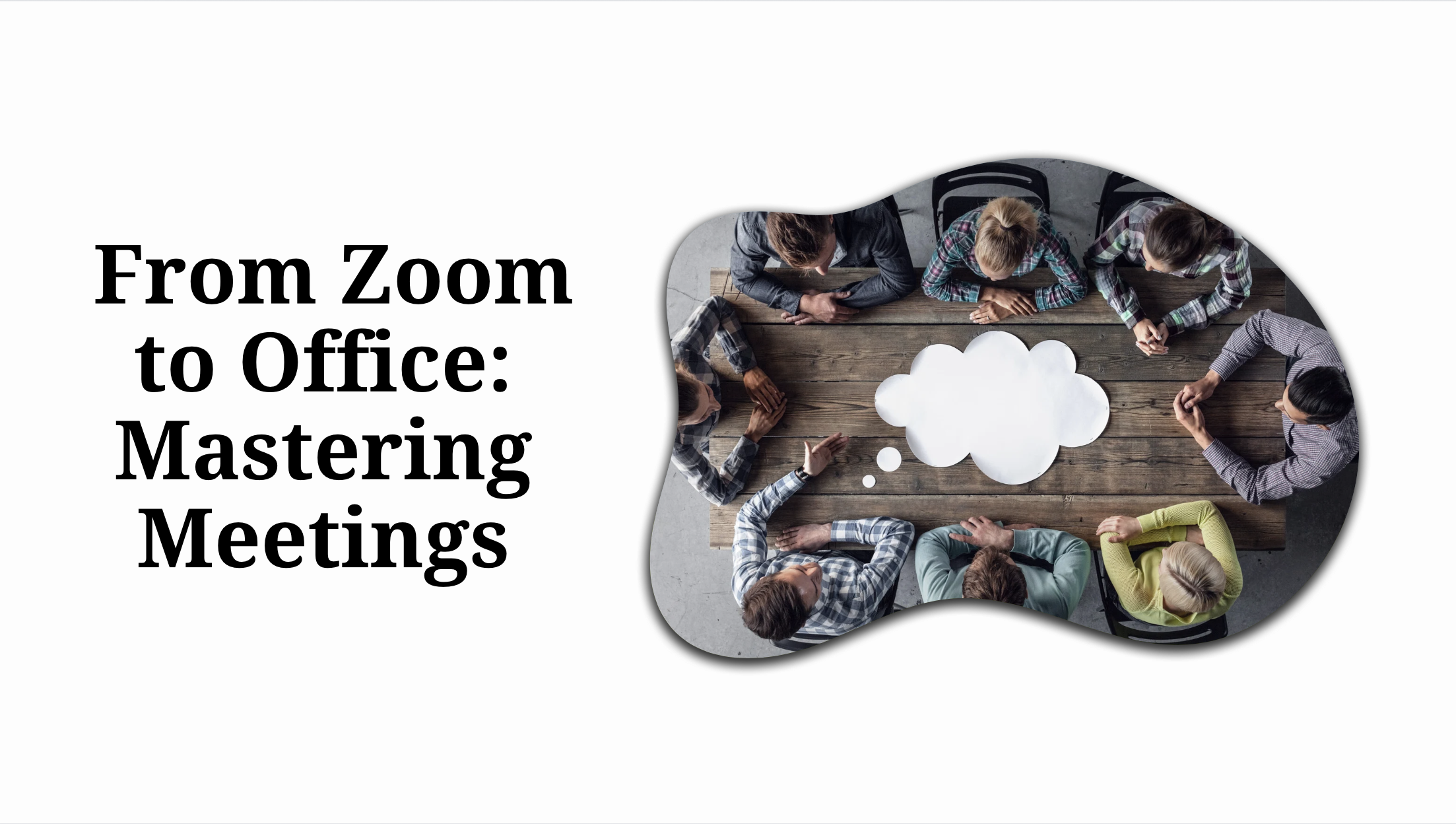
Step inside the modern workplace and explore how meetings really work—from awkward video calls to office debates—through a humorous video and real-world scenarios. Build natural meeting vocabulary and decode common business expressions. Compare virtual, hybrid, and in-office work styles while practicing how to raise concerns and reach decisions collaboratively. Finish with fluency-driven simulations that mirror the authentic daily conversations at work.
Discover your advice style! Watch a celebrity share the best advice she’s received and analyse different approaches, tone, and impact. Expand your vocabulary with natural expressions for giving and responding to advice, then practise them in realistic dialogues, role-plays, and debates. Reflect on personal experiences, explore when advice helps—or backfires—and finish with a lively Talk & Listen session where students tackle each other’s real-life dilemmas.