WHAT'S INSIDE
- Real-World Context: Explore how personality traits and subtle behaviors shape first impressions in everyday social and professional situations.
- Watching & Discussion: Analyze a clip from Friends to to see what kind of first impression Chandler makes and watch street interviews to discover what people notice first when meeting someone new.
- Vocabulary Focus: Learn how to describe personality, impressions, and body language using adjectives (genuine, approachable, arrogant, etc.) and expressions like come off as… or appear to be….
- Guided Practice: Complete matching and gap-fill activities to reinforce vocabulary, discuss scenarios, and describe how people come across in everyday interactions.
- Personal Reflection: Participate in reflective discussions about your own personality, first impressions, and the traits you value or dislike in others.
Related Lessons
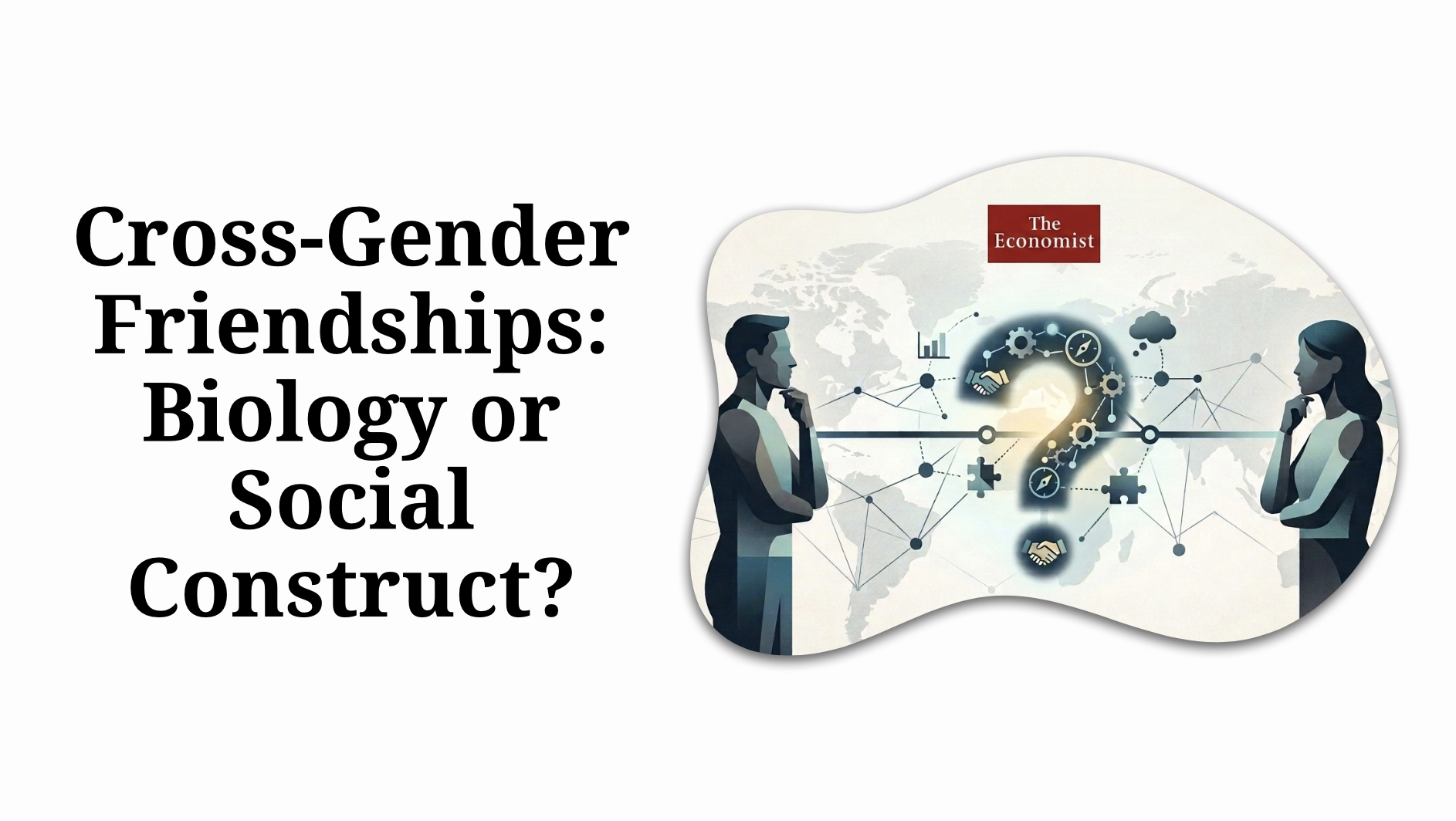
Explore the hidden dynamics behind cross-gender friendships through thought-provoking discussion and debate on attraction, stereotypes, and social context. Read and analyse an article from The Economist featuring real-world research, and examine how workplaces and cultural norms shape cross-gender relationships. Engage in structured debates using competing perspectives supported by evidence from the text.
FREE
Learn to use natural, everyday excuses (e.g. I’m not really up for it, I'm tied up, It’s a bit of a hassle to get there, I’m not feeling it, I got held up at work) through interactive visuals, real-life role plays, and quick-fire tasks. By the end, students tackle realistic speaking challenges where they have to think on their feet and respond naturally in real-world situations.
FREE
Immerse learners in relatable travel dilemmas while mastering idiomatic expressions (e.g. I’m all in, Count me in, I’m down for that, I'd kill for..., That’s a dealbreaker). Through listening tasks, students analyse how speakers express interest, refusal, hesitation, and strong reactions, then build fluency with guided role-plays and decision-making challenges. A lesson that transforms passive vocabulary into confident, natural communication.