This lesson is part of the pack: Digital Life: Tech, Brands & Well-Being. Teach it as a complete experience.
WHAT'S INSIDE
- Real-World Context: Investigate the impact of digital technology on cognitive skills, exploring how reliance on smartphones affects memory, focus, and daily decision-making.
- Vocabulary Focus: Practise natural phrasal verbs and expressions for talking about technology and cognitive habits (e.g. look up information, cling to, outsource tasks, mess with sleep).
- Watching & Discussion: Watch a video based on a University of Toronto study to examine how technology affects thinking skills, screen time, and learning.
- Guided Practice: Complete vocabulary gap-fills based on contextual usage, rank skills most affected by technology, and engage in situational role-plays (e.g., navigating without a phone).
- Fluency Building: Take part in fast-paced discussions, problem-solving role-plays, and a structured debate arguing whether technology makes us smarter or dumber.
- Critical Thinking: Reflect on personal tech habits, digital dependency, and how to use technology more consciously without letting it replace core cognitive skills.
Related Lessons
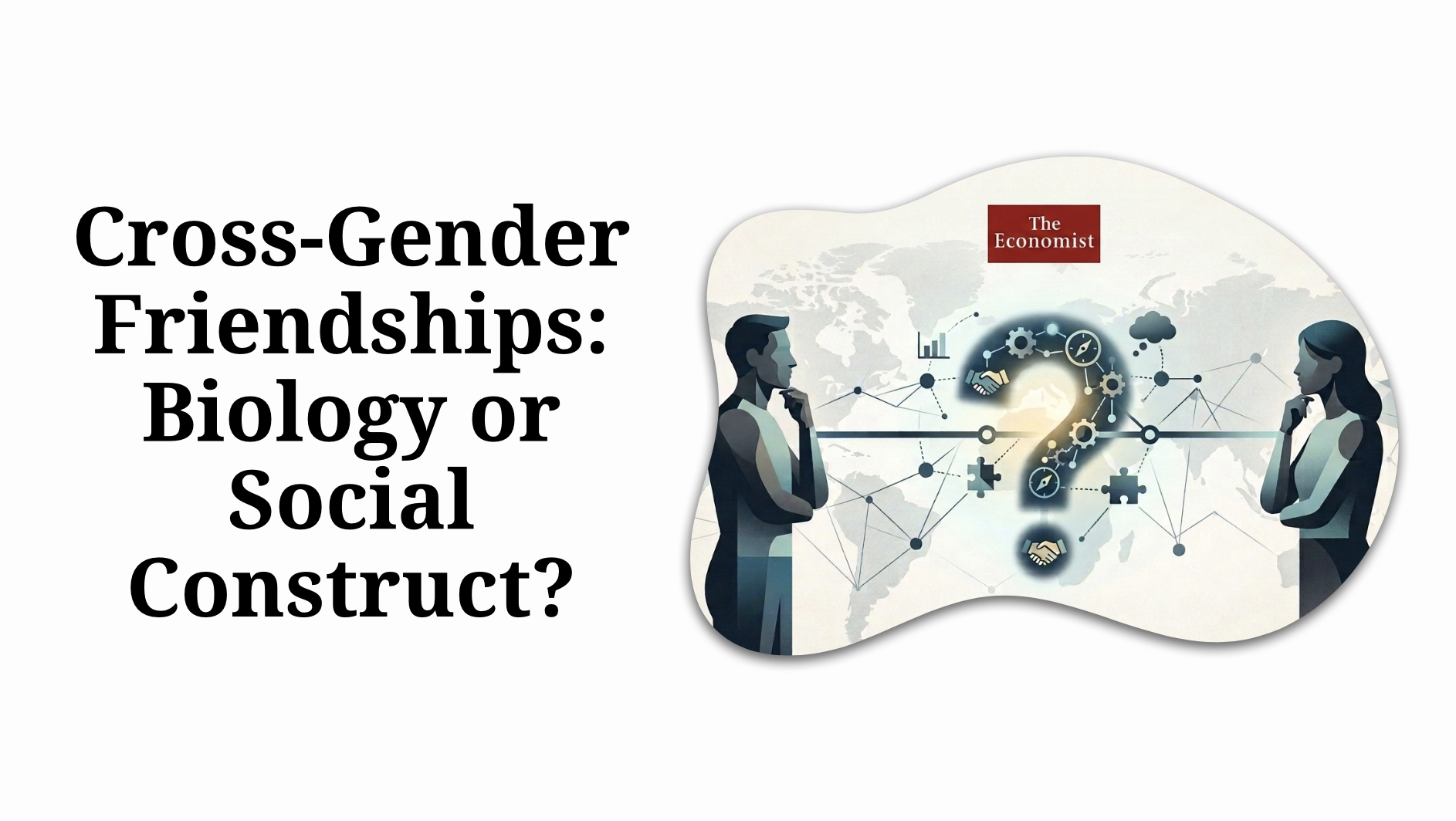
Explore the hidden dynamics behind cross-gender friendships through thought-provoking discussion and debate on attraction, stereotypes, and social context. Read and analyse an article from The Economist featuring real-world research, and examine how workplaces and cultural norms shape cross-gender relationships. Engage in structured debates using competing perspectives supported by evidence from the text.
FREE
Learn to use natural, everyday excuses (e.g. I’m not really up for it, I'm tied up, It’s a bit of a hassle to get there, I’m not feeling it, I got held up at work) through interactive visuals, real-life role plays, and quick-fire tasks. By the end, students tackle realistic speaking challenges where they have to think on their feet and respond naturally in real-world situations.
FREE
Immerse learners in relatable travel dilemmas while mastering idiomatic expressions (e.g. I’m all in, Count me in, I’m down for that, I'd kill for..., That’s a dealbreaker). Through listening tasks, students analyse how speakers express interest, refusal, hesitation, and strong reactions, then build fluency with guided role-plays and decision-making challenges. A lesson that transforms passive vocabulary into confident, natural communication.