This lesson is part of the pack: Lifestyle & Well-Being. Teach it as a complete experience.
WHAT'S INSIDE
- Real-World Context: Explore the psychological spectrum of optimism and pessimism, learning to navigate and react to daily situations through a positive or negative lens.
- Vocabulary Focus: Master idioms and phrases for expressing positive and negative reactions (e.g., “There’s always a silver lining,”, “Why bother?,” “Typical,” “Make the best of it”) and apply them to everyday scenarios.
- Listening & Viewing: Listen to a BBC 6 Minute English podcast to identify factors shaping an individual's outlook and watch an interview to analyse real-life attitudes and mindset.
- Fluency Building: Debate whether pessimism is misunderstood, role-play reactions to challenging situations, and use natural expressions to agree, disagree, and defend opinions.
- Social Awareness: Reflect on how attitude impacts social interactions, learning to manage one’s own outlook and respond empathetically to others’ negativity (Debbie Downer behavior) or over-positivity.
Related Lessons
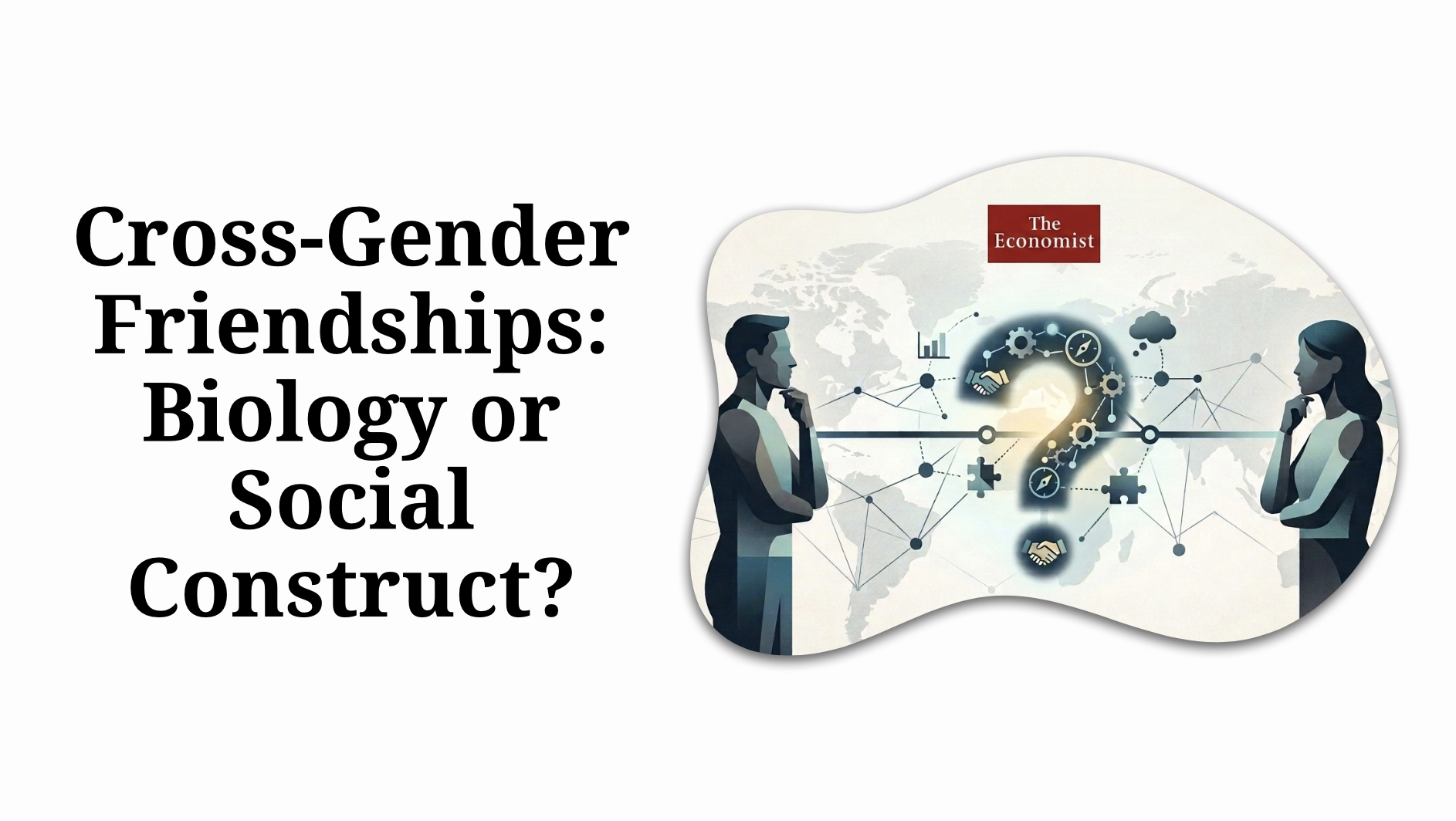
Explore the hidden dynamics behind cross-gender friendships through thought-provoking discussion and debate on attraction, stereotypes, and social context. Read and analyse an article from The Economist featuring real-world research, and examine how workplaces and cultural norms shape cross-gender relationships. Engage in structured debates using competing perspectives supported by evidence from the text.
FREE
Learn to use natural, everyday excuses (e.g. I’m not really up for it, I'm tied up, It’s a bit of a hassle to get there, I’m not feeling it, I got held up at work) through interactive visuals, real-life role plays, and quick-fire tasks. By the end, students tackle realistic speaking challenges where they have to think on their feet and respond naturally in real-world situations.
FREE
Immerse learners in relatable travel dilemmas while mastering idiomatic expressions (e.g. I’m all in, Count me in, I’m down for that, I'd kill for..., That’s a dealbreaker). Through listening tasks, students analyse how speakers express interest, refusal, hesitation, and strong reactions, then build fluency with guided role-plays and decision-making challenges. A lesson that transforms passive vocabulary into confident, natural communication.