This lesson is part of the pack: The Psychology of Influence. Teach it as a complete experience.
WHAT'S INSIDE
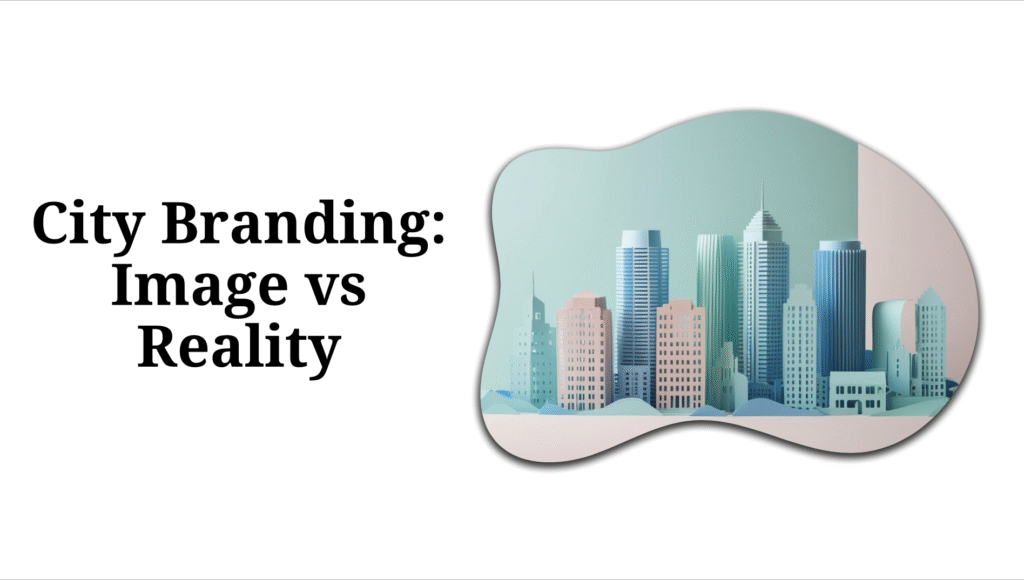
- Real-World Context: Explore how global cities shape their image to attract tourists, investment, and global attention.
- Case Study: Watch the story of New York’s 1970s transformation from a high-crime "Fear City" to an iconic global brand.
- Vocabulary: Practise useful language for describing experiences, places, and impressions (e.g. grow on someone, a bit of a letdown, cash in on its image, rough around the edges, hit or miss).
- Watching & Discussion: Watch extracts on real city rebranding campaigns (New York, Melbourne, Paris, Amsterdam) to analyse how branding strategies are used to reshape public perception.
- Fluency Building: Step into the shoes of a PR team to redesign a city’s image and justify strategic choices using target vocabulary in a real-world style scenario.
Related Lessons
Explore the high-stakes world of Bryan Johnson, the billionaire biohacker spending millions to reverse his biological clock. Dive into the controversial science of 'Project Blueprint' and master powerful idioms like 'go to great lengths,' 'stick to one's guns,' etc. Analyse a journalist’s attempt to survive this extreme routine. Finally, debate the ethics of being on the 'cutting edge' of longevity.
FREE
Explore the life-changing insights of your “Future You” and confront the “Harsh Truths” about success, happiness, and growth. Master the grammar of reflection—using should have, could have, and I wish/If only I had—to express past regrets and realizations. Watch interviews with 80-year-olds to uncover their perspective on missed opportunities and life choices. Finish with a dynamic “Regret or Reset?” debate and craft a compelling message to your future self.
FREE
Explore the ‘guilty confessions’ of screen time through video-based social experiments that reveal the surprising gap between perception and reality. Analyse an expert-led video unpacking the psychology behind ‘Two Billion Truman Shows’ to show how apps are engineered to keep users hooked. Reflect on your own screen habits, create a realistic digital detox plan, and debate whether extreme solutions like Google’s Paper Phone represent the future of focus.