Real-World Context: Talk about life experiences and adventures using natural “Have you ever…?” questions to share stories and connect with others.
Reading & Grammar Discovery: Students analyse a dialogue between two contrasting characters to notice how Present Perfect and Past Simple are used differently in real communication.
Guided Practice: Complete grammar discovery tasks, categorize time expressions, resolve tense choice dilemmas, and practice building precise past simple follow-up questions.
Interaction & Speaking Practice: Take part in fast-paced question-and-answer exchanges, asking about travel, work, food, and embarrassing moments while reacting and following up.
Fluency Building: Participate in photo-description tasks, personalized "make it true for you" speaking exercises, and a structured multi-topic conversation challenge using a custom reaction box.
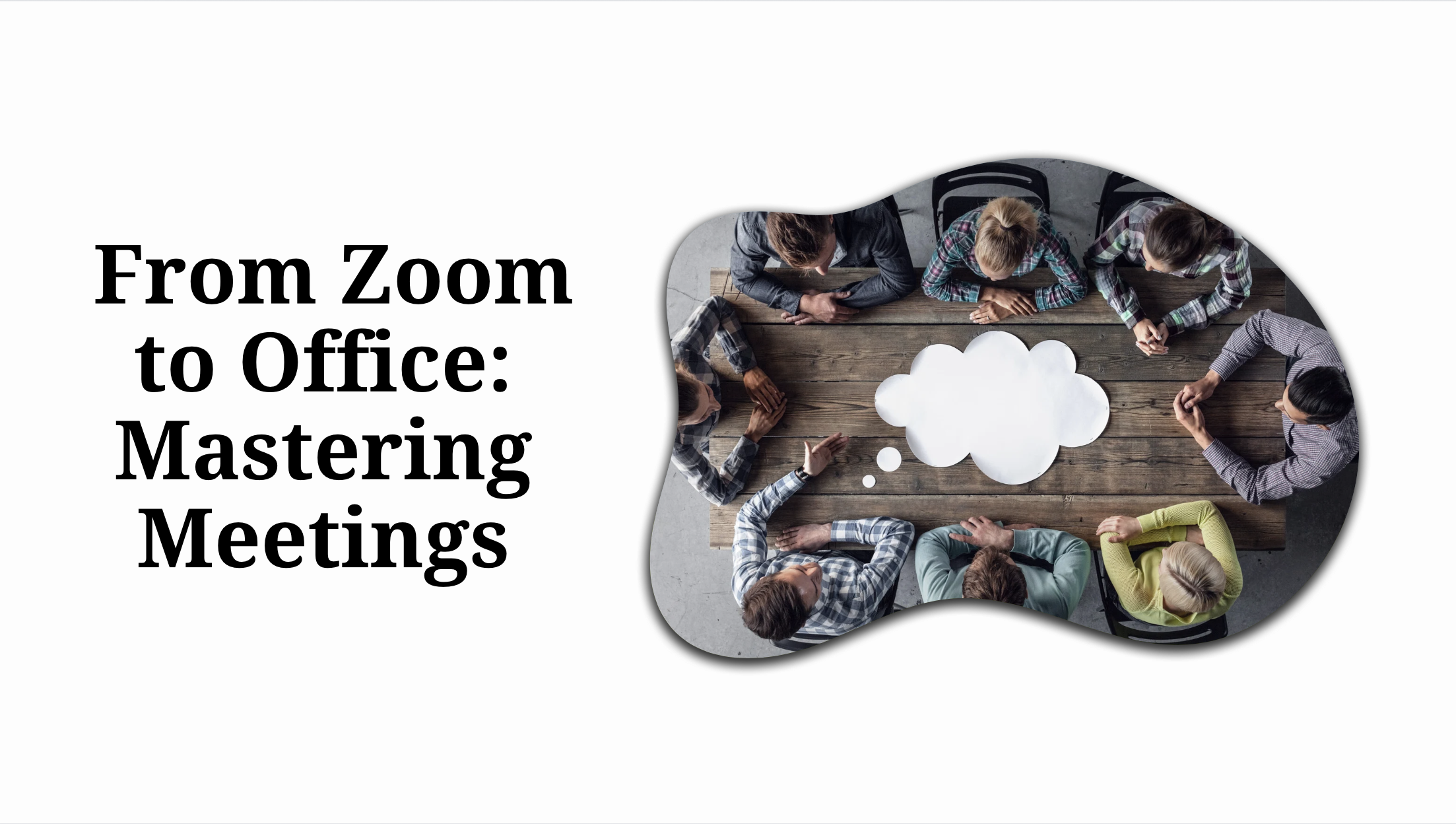
Step inside the modern workplace and explore how meetings really work—from awkward video calls to office debates—through a humorous video and real-world scenarios. Build natural meeting vocabulary and decode common business expressions. Compare virtual, hybrid, and in-office work styles while practicing how to raise concerns and reach decisions collaboratively. Finish with fluency-driven simulations that mirror the authentic daily conversations at work.
Discover your advice style! Watch a celebrity share the best advice she’s received and analyse different approaches, tone, and impact. Expand your vocabulary with natural expressions for giving and responding to advice, then practise them in realistic dialogues, role-plays, and debates. Reflect on personal experiences, explore when advice helps—or backfires—and finish with a lively Talk & Listen session where students tackle each other’s real-life dilemmas.
Students explore real research on how boredom affects the brain, watch a psychology-based video, and build vivid, natural vocabulary for describing boredom and mental states (mind-numbing, zone out, bored out of my mind). Apply it in debates, ranking tasks, and personal reflection they decide whether boredom kills motivation or sparks creativity.