This lesson is part of the pack: Good Times & Awkward Moments: Talking About the Past. Teach it as a complete experience.
WHAT'S INSIDE
- Real-World Context: Explore how people share good and bad news in everyday life—at work, with friends, or with family—and learn to respond naturally.
- Listening: Listen to authentic dialogues about personal news, identify key details, and notice natural tone, pauses, and reactions.
- Functional Language: Master common expressions for giving news and reacting positively or negatively (e.g., “Guess what happened…,” “Wow! That’s amazing!,” “What a shame!”).
- Guided Practice: Build accuracy through phrase-matching, gap-fills, and selecting the most socially appropriate reactions for specific scenarios.
- Fluency Building & Interaction: Participate in "React to the News!" tasks, practicing natural responses and follow-up questions to keep conversations engaging.
- Personalisation: Share real personal news using authentic openers and practice reacting naturally to your partners' stories to foster meaningful communication.
Related Lessons
Learn how to handle real-life doctor visits with confidence! Practise describing symptoms, talking about pain and illness, and understanding medical advice through natural doctor–patient dialogues and interactive tasks. Build practical vocabulary for common health problems, medicine, and treatment, then put everything into action with realistic clinic role-plays and speaking activities.
FREE
Turn everyday experiences into engaging conversation practice! Explore the difference between Present Perfect and Past Simple through a “Have you ever…?” experience challenge, analyse a dialogue between two contrasting personalities, and practise asking follow-up questions to uncover more details. With speaking tasks, real-life reactions, and personalised storytelling, learners build the confidence to talk about their life experiences naturally and fluently.
FREE
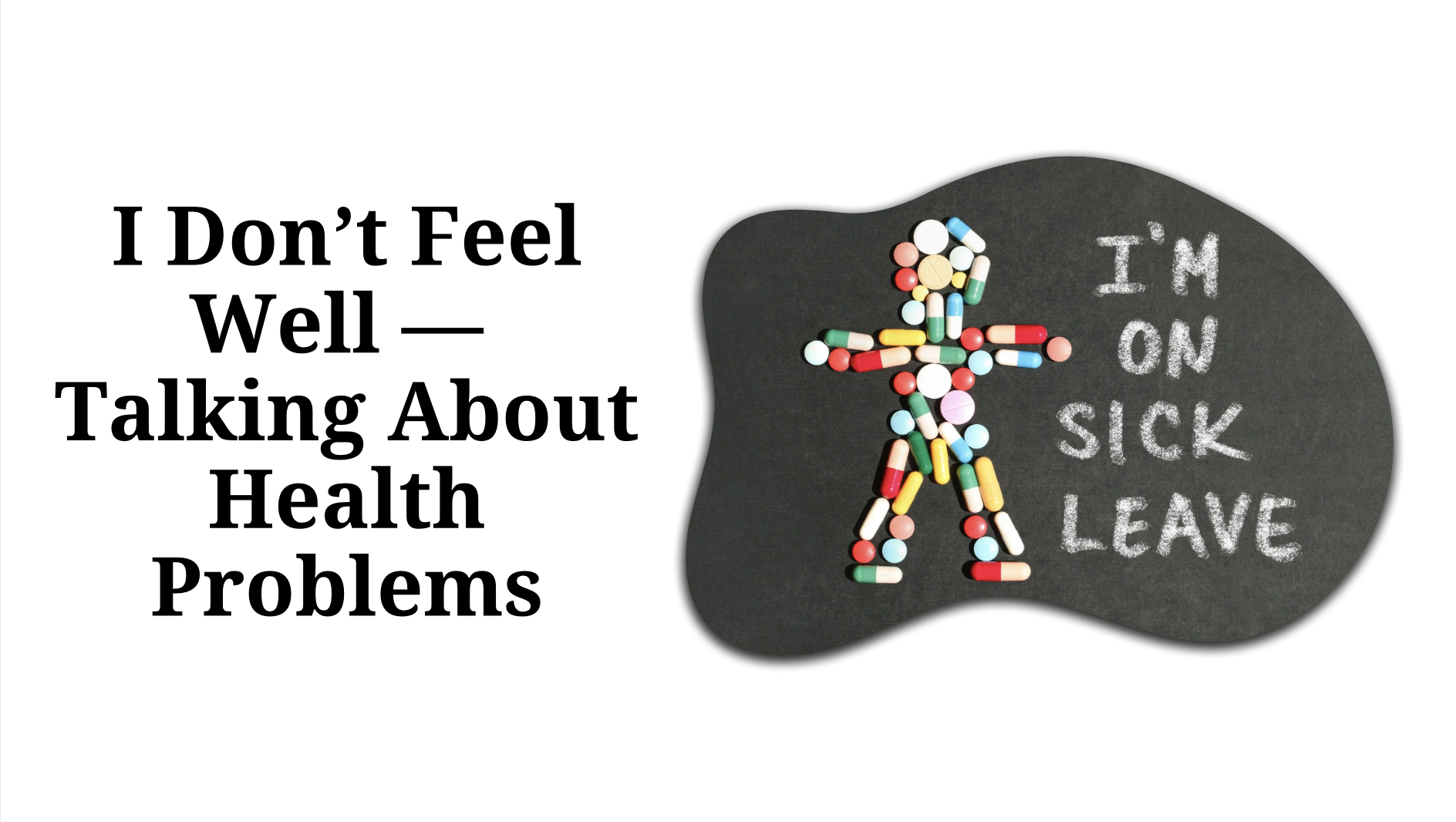
Learn how to describe common illnesses and talk about feeling unwell in real-life situations. Build practical vocabulary for symptoms and practise giving advice using natural everyday English. Through video tasks, mini-dialogues, and role-plays with bosses, friends, teachers, and travel agents, students develop confidence speaking about health problems in a clear and supportive way.