This lesson is part of the pack: Everyday Me: Habits, Routines & Personality. Teach it as a complete experience.
WHAT'S INSIDE
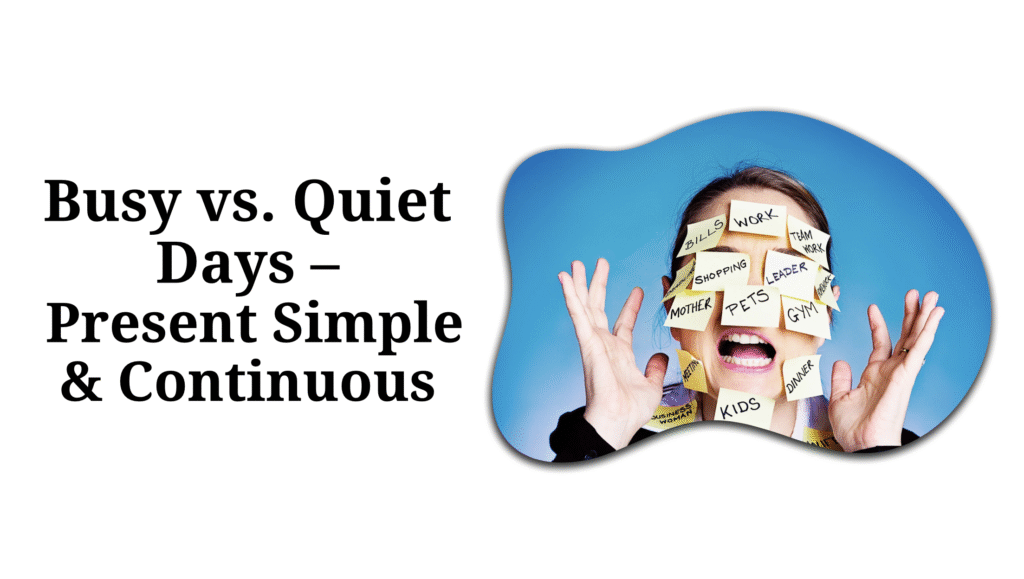
- Real-World Context: Explore daily routines on regular vs. busy days and compare temporary vs. habitual activities.
- Guided Grammar Discovery: Distinguish Present Simple (habits/state verbs) from Present Continuous (temporary actions/action verbs).
- Vocabulary Focus: A deep dive into essential "do" and "make" collocations used in everyday life.
- Grammar Practice: Master tense accuracy through structured exercises and "Usually vs. Today" task comparisons.
- Interactive Task: Play "True for Me or Not?" to personalize grammar through habit-based statements.
- Final Activity: Build fluency with "Get to Know Each Other" prompts covering real-life conversation topics.
Related Lessons
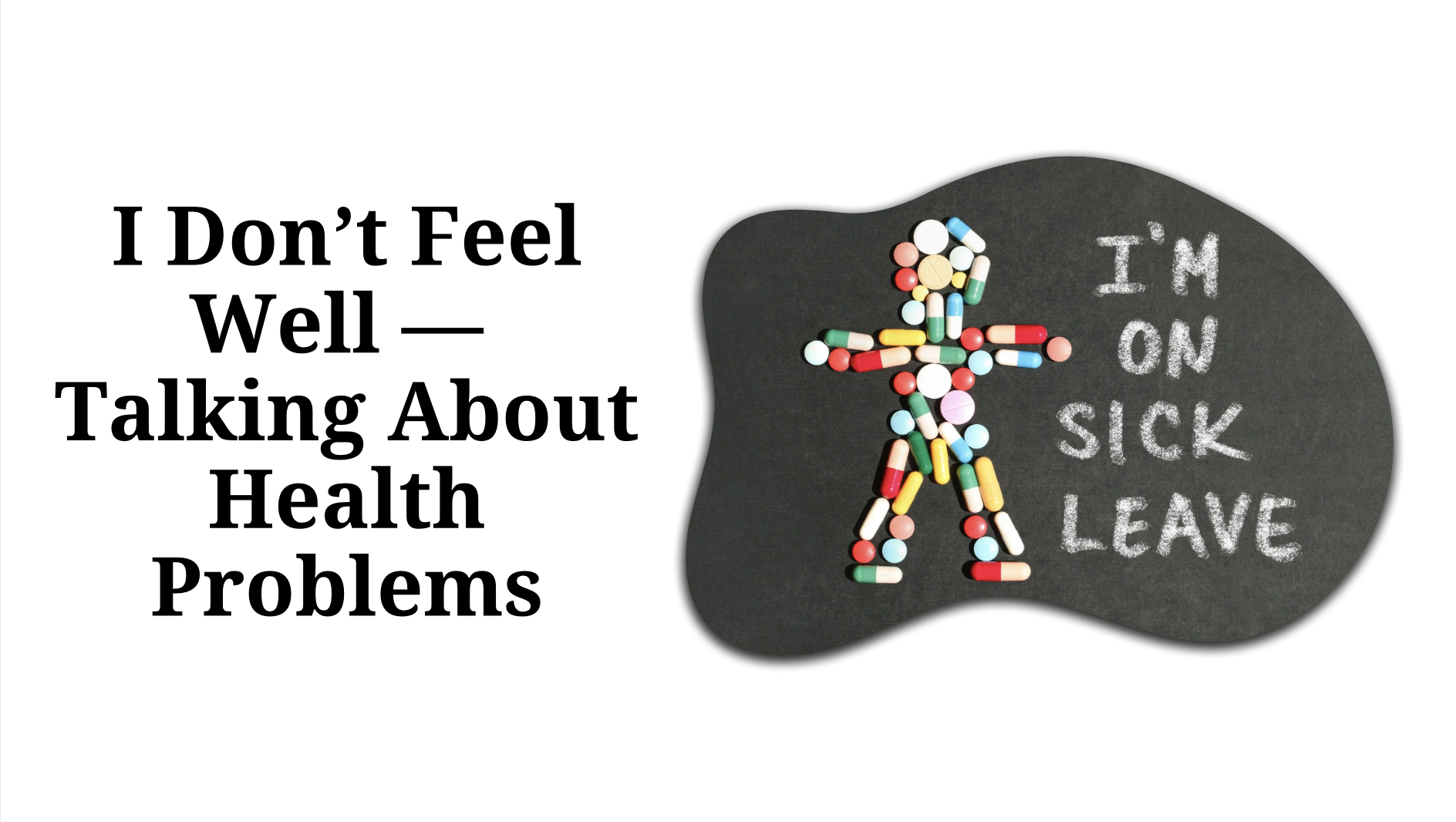
Learn how to handle real-life doctor visits with confidence! Practise describing symptoms, talking about pain and illness, and understanding medical advice through natural doctor–patient dialogues and interactive tasks. Build practical vocabulary for common health problems, medicine, and treatment, then put everything into action with realistic clinic role-plays and speaking activities.
FREE
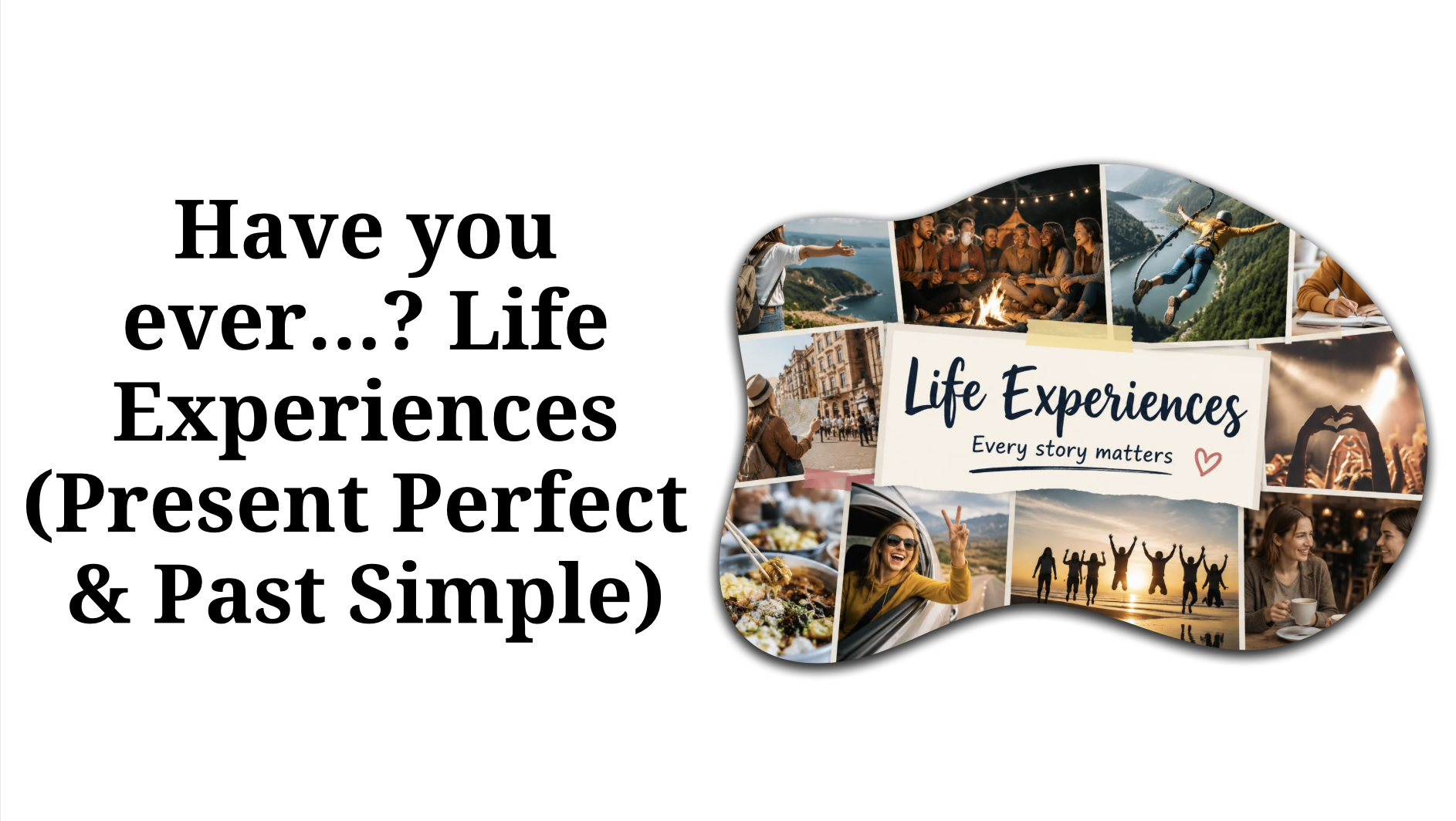
Turn everyday experiences into engaging conversation practice! Explore the difference between Present Perfect and Past Simple through a “Have you ever…?” experience challenge, analyse a dialogue between two contrasting personalities, and practise asking follow-up questions to uncover more details. With speaking tasks, real-life reactions, and personalised storytelling, learners build the confidence to talk about their life experiences naturally and fluently.
FREE
Learn how to describe common illnesses and talk about feeling unwell in real-life situations. Build practical vocabulary for symptoms and practise giving advice using natural everyday English. Through video tasks, mini-dialogues, and role-plays with bosses, friends, teachers, and travel agents, students develop confidence speaking about health problems in a clear and supportive way.